.png)


Out-of-home (OOH) advertising has evolved significantly over the last decade. What was once limited to static billboards and transit ads has expanded into more flexible, mobile, and attention-driven formats.
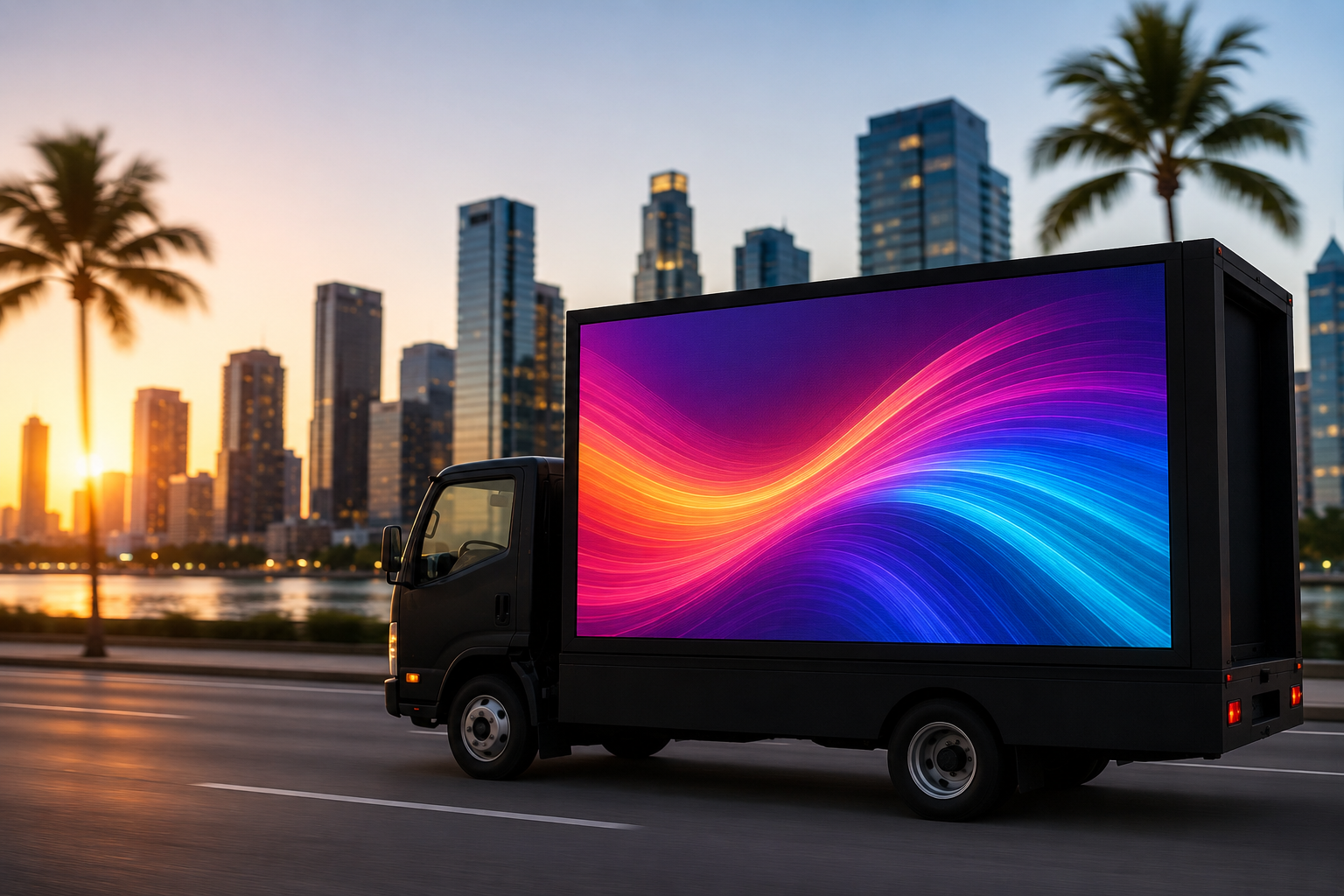
One of the fastest-growing formats is the mobile billboard truck—LED or printed trucks that bring advertising directly to high-traffic areas and targeted audiences.
For marketing and media agencies, mobile billboard trucks are no longer a “novelty add-on.” They are becoming a strategic part of integrated campaigns, especially when brands need high visibility, geographic flexibility, and real-world engagement.
Here’s how agencies are using them effectively today.
1. Launch Amplification for Products and Services
Agencies often deploy mobile billboard trucks during product or service launches to generate immediate awareness in key markets.
Instead of relying solely on digital ads or static placements, mobile billboards allow brands to:
- Reach dense urban areas or event zones
- Follow high-traffic routes
- Create repeated exposure in a short time window
This is especially effective for:
- Retail store openings
- App launches
- Consumer product rollouts
- Franchise expansions
The mobility of the medium allows agencies to concentrate impressions where they matter most during critical launch periods.
2. Event and Experiential Marketing Support
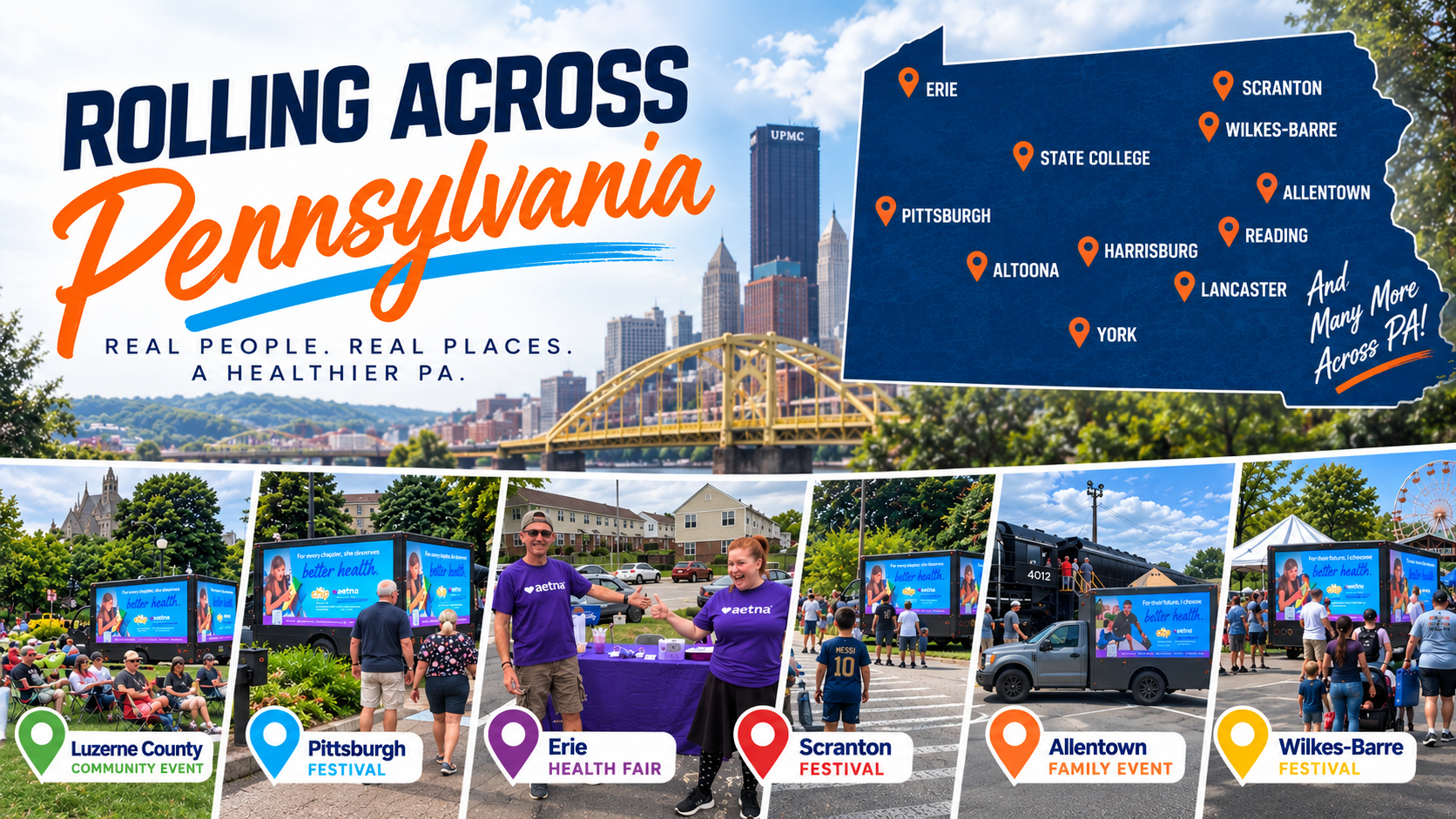
Mobile billboard trucks are frequently used alongside experiential campaigns to drive foot traffic and awareness.
Agencies integrate them into:
- Music festivals
- Sporting events
- Trade shows
- Pop-up activations
- Street team marketing campaigns
Instead of acting as a standalone channel, the truck becomes part of the “event ecosystem,” reinforcing messaging before, during, and after the experience.
This creates a continuous loop of awareness:
- Pre-event visibility
- On-site reinforcement
- Post-event brand recall
3. Geographic Targeting Without Media Waste
One of the biggest advantages agencies recognize is geographic precision without relying on fixed placements.
Unlike traditional billboards that are locked into a single location, mobile billboard trucks can:
- Target specific neighborhoods
- Focus on competitor locations
- Follow commuter routes
- Concentrate on retail corridors
This flexibility allows agencies to reduce wasted impressions and align media spend with real-world audience movement patterns.
4. Supplementing Digital Campaigns with Physical Presence
Modern campaigns are rarely single-channel. Agencies increasingly integrate mobile billboard trucks into digital strategies to reinforce messaging across platforms.
A common approach is:
- Digital ads build awareness and interest
- Mobile billboards reinforce messaging in the physical world
- Retargeting captures users who have seen either touchpoint
This “digital + physical reinforcement” strategy increases brand recall and improves conversion rates by creating multiple exposure points.
5. High-Impact Creative for Social Amplification
LED mobile billboard trucks also generate content opportunities that extend beyond the physical impression.
Agencies often design campaigns specifically to be:
- Visually striking
- Movement-based
- Event-driven
This encourages:
- User-generated content
- Social media sharing
- Press coverage
- Organic amplification
In many cases, the truck itself becomes part of the content strategy—not just the delivery mechanism.
6. Supporting Regional and Multi-Market Campaigns
For brands running campaigns across multiple cities, agencies use mobile billboard trucks as a scalable solution.
Instead of negotiating multiple static placements in each market, they can:
- Deploy trucks sequentially across regions
- Focus on high-priority cities
- Adjust timing based on campaign performance
This makes mobile billboards particularly valuable for:
- Touring brands
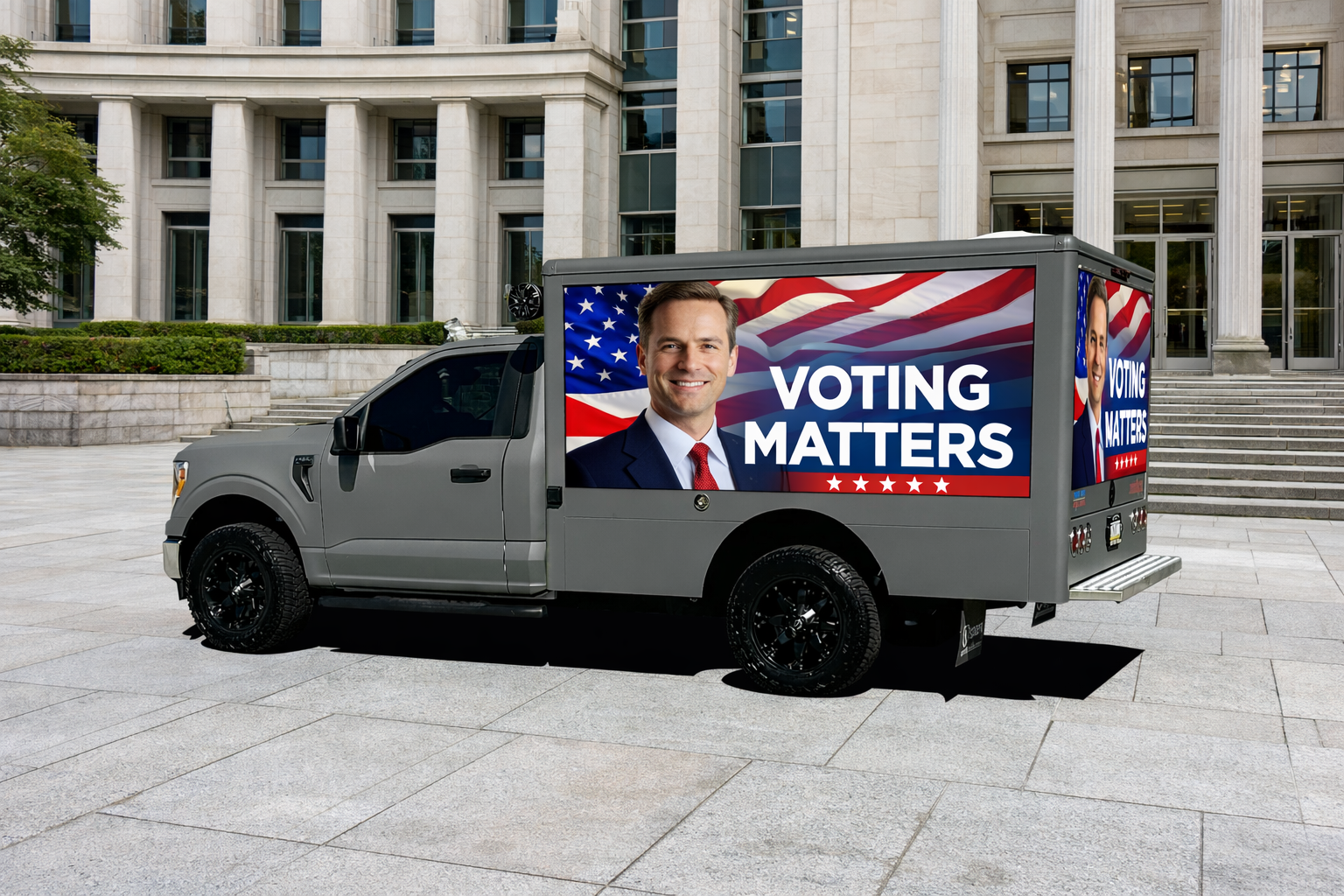
- Political campaigns
- National retail promotions
- Entertainment releases
7. Filling the Gap Between Digital and Traditional OOH
Agencies often view mobile billboard trucks as the bridge between:
- Traditional billboards (static, long-term)
- Digital advertising (targeted, but screen-based)
Mobile billboards combine:
- Physical presence
- Movement and attention capture
- Real-world engagement
- Tactical flexibility
This makes them especially useful in integrated media plans where brands want both reach and impact.
Final Thoughts
Mobile billboard trucks have moved far beyond being a niche advertising option. For agencies, they are now a flexible, high-visibility tool that fits naturally into modern omnichannel campaigns.
When used strategically, they don’t replace digital or traditional media—they enhance them.
As brands continue to demand more measurable, attention-driven advertising, mobile billboards are becoming an increasingly important part of the media mix.